
A couple of years ago I moved into a part-time job from what had been a very full-on City job, which left me with spare time on my hands. So, I decided as a Christmas present to my mum, who had at some point remarked on how interested in it she would be, I started to research our family tree.
I ended up gifting my mum with a history of her paternal side (an A4 bound document summarising what I found out about each person, backed up with an A3 folder of the supporting documents – census records, marriage and death records etc).
I got back to basically the first modern census of 1841 on my mum’s paternal side – we are your basic regular people from poor stock, so no tracing our line back to some long-dead king or whatever. Most of that side of my family are from Nottinghamshire and until the coal mines opened, most of my (male) ancestors’ occupations were listed as F.W.K. I had no idea what that was, but a quick Google search revealed it to be short for Framework Knitter, apparently a very common occupation in the East Midlands.
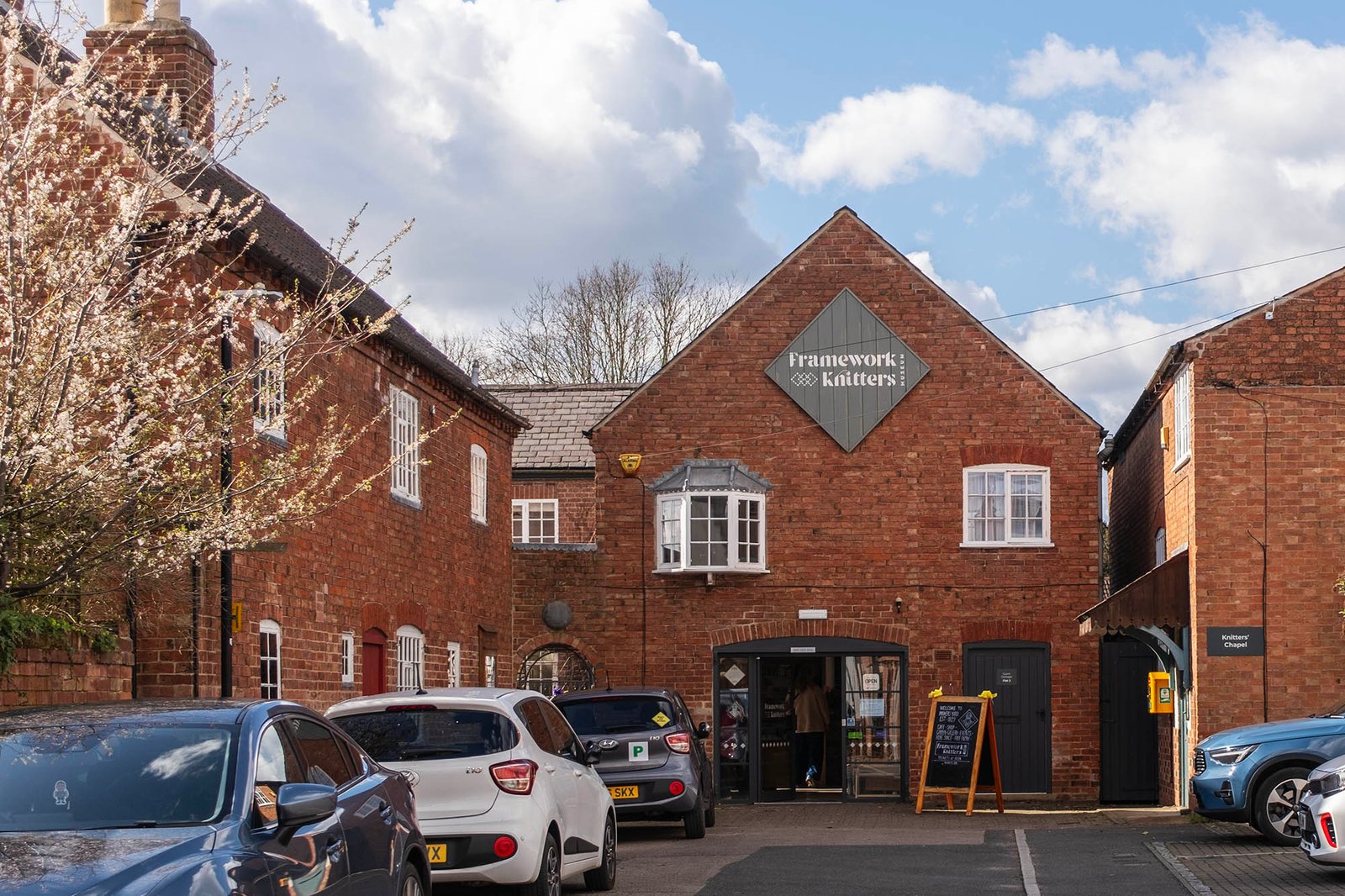
Inspired by what I learnt about our ancestors, we decided to bring it all to life a bit. A few years ago we visited the local colliery museum (once a working mine) which was where my mum’s great-grandad worked and was the first colliery winder. It took us a bit longer to get around to visiting the Framework Knitters Museum in Ruddington. This weekend, my mum picked me up from Nottingham train station and we headed to Ruddington to pay the museum a visit.
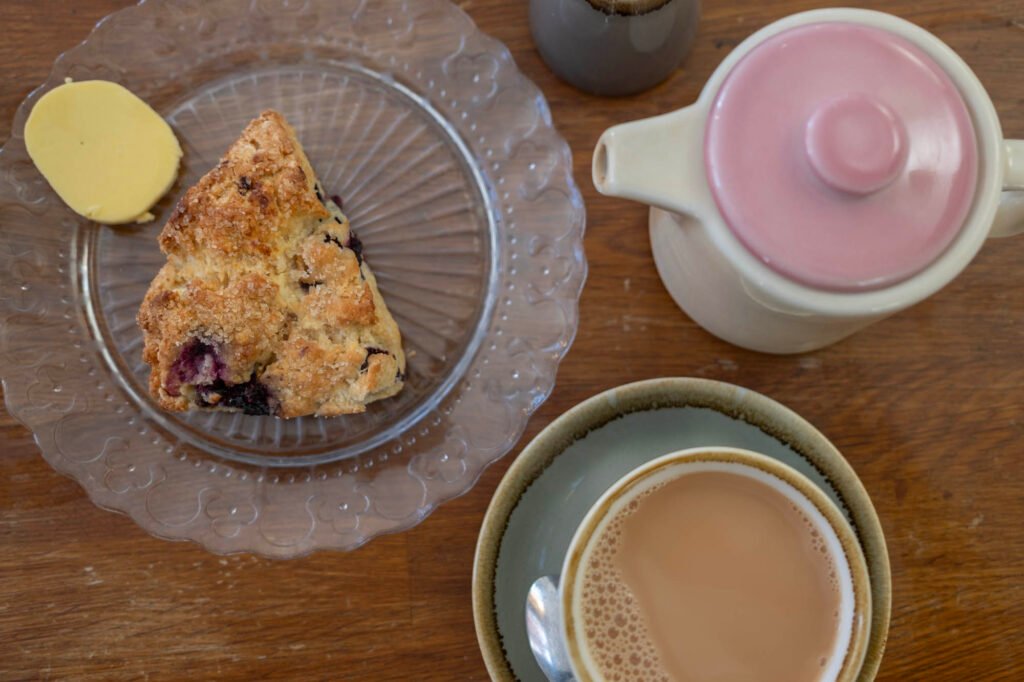
Before really getting started on exploring, we stopped in their cafe (which I’d seen featured in the Guardian’s list of 50 best museum cafes in the UK) for a late morning cup of tea and a lemon and blueberry scone each. It was beautifully bright with blue skies out but still pretty chilly, so we forewent a table outside in their beautiful garden and ate inside.
The Framework Knitters Museum is an example of a carefully restored Victorian framework knitters’ yard. The history it covers spans four centuries, from the early days of framework knitting through the Industrial Revolution, the Luddite riots of the 1800s, and on to the Nottingham lace industry that grew directly out of it.
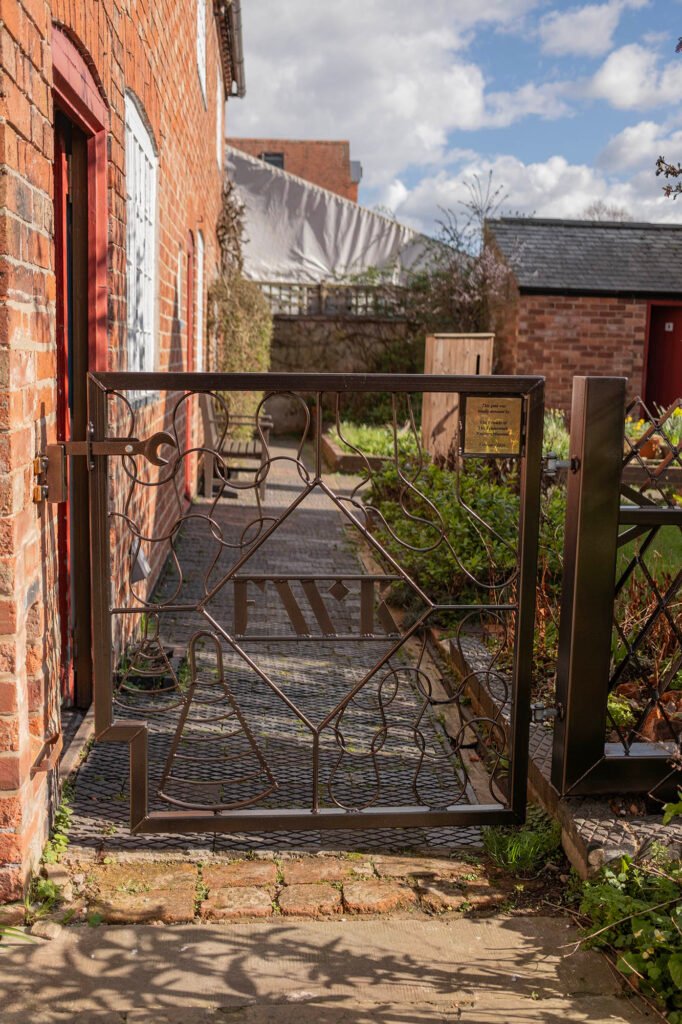
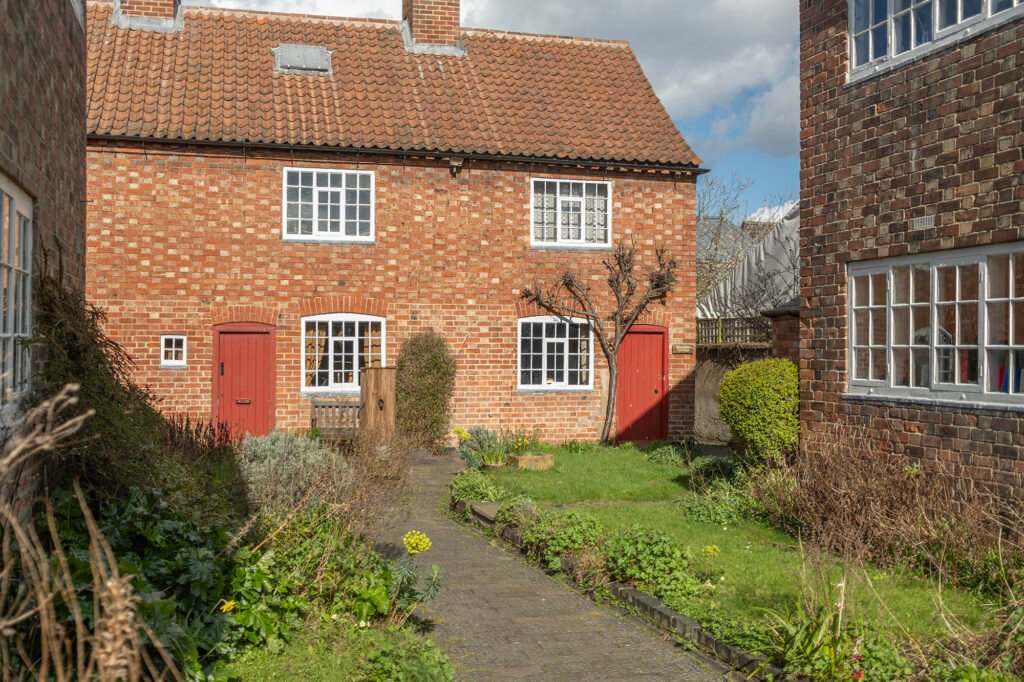
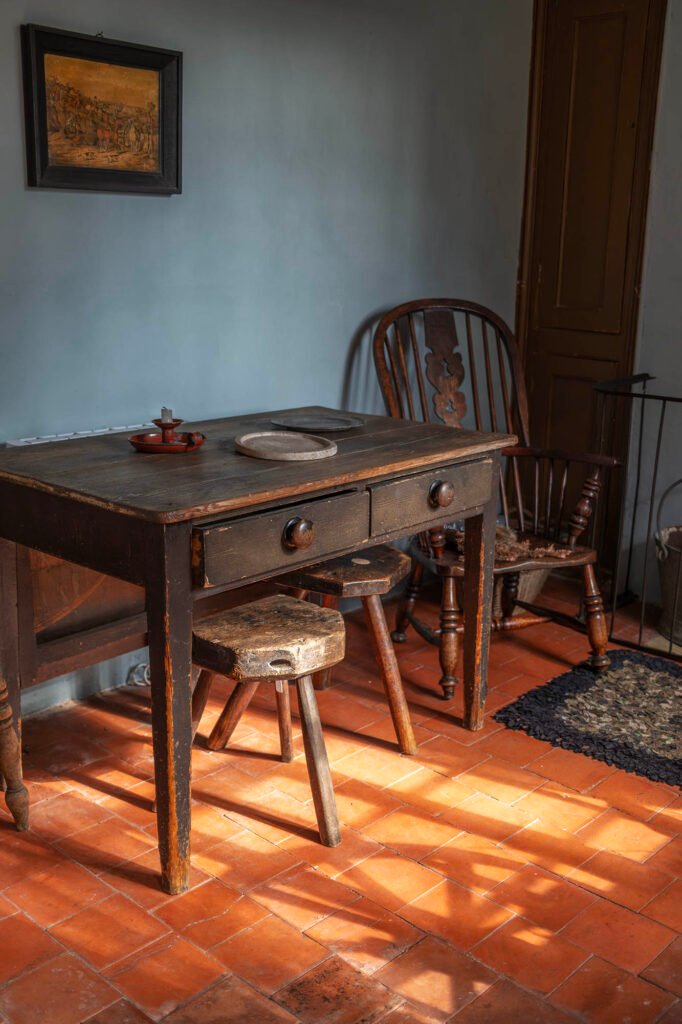
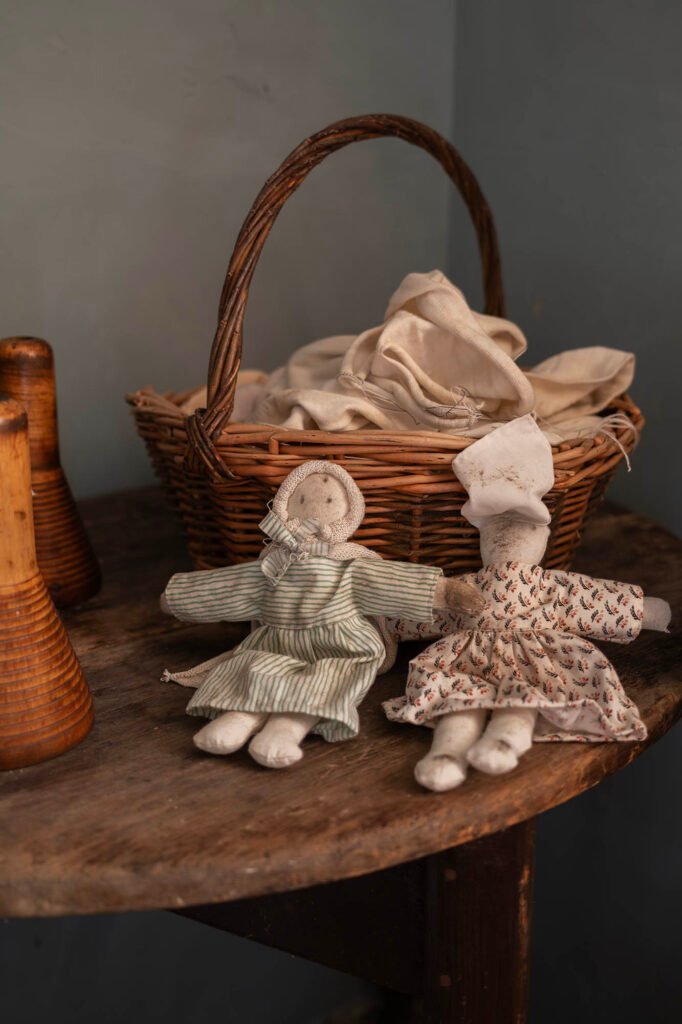
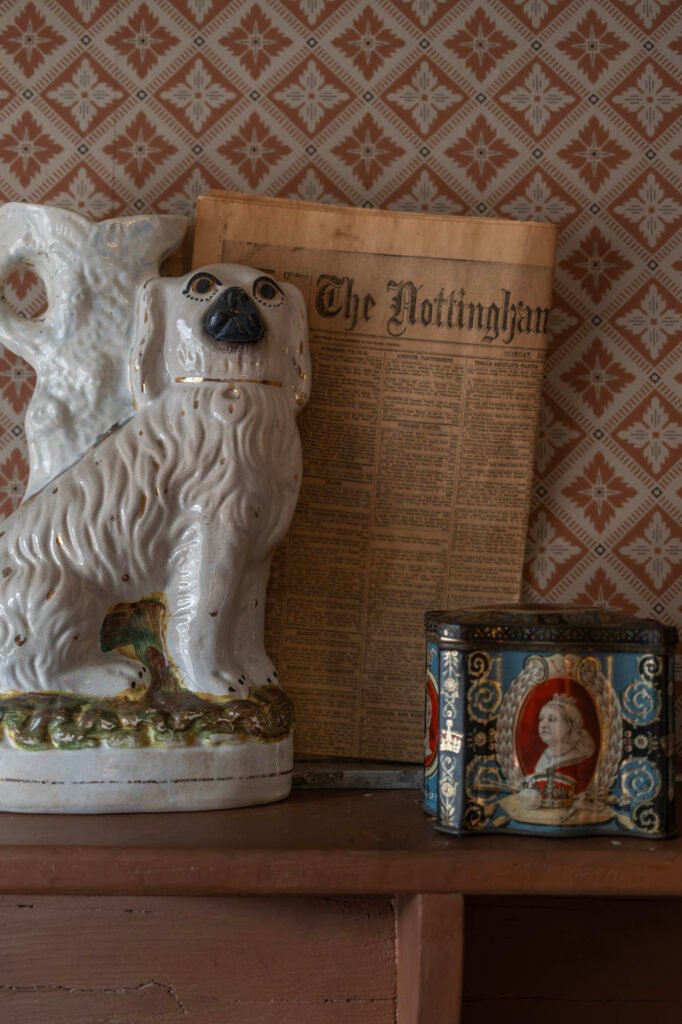
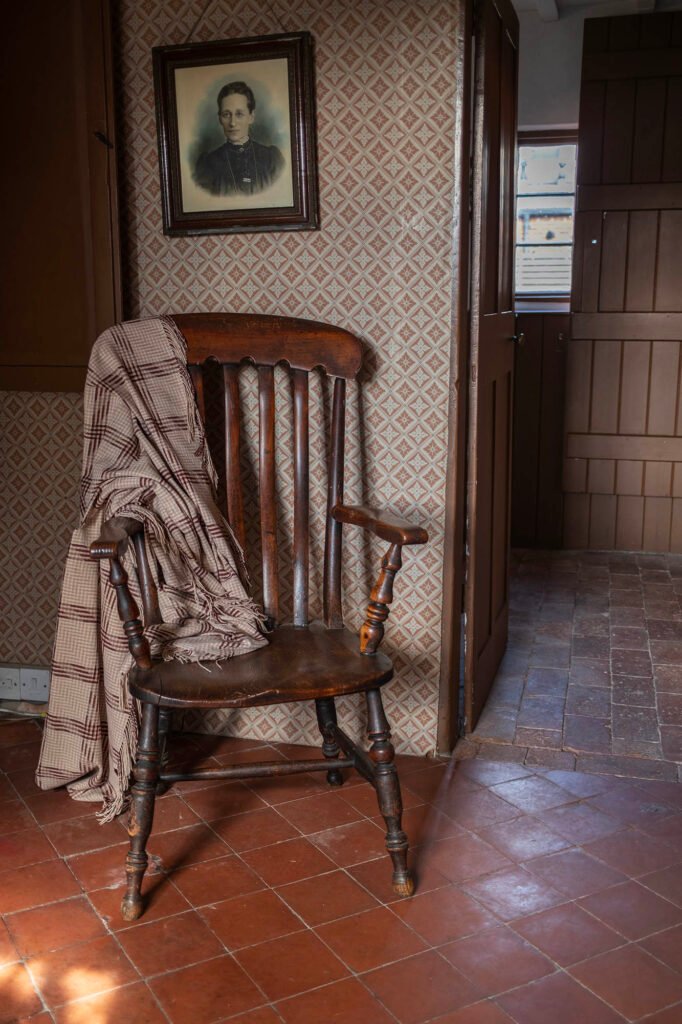
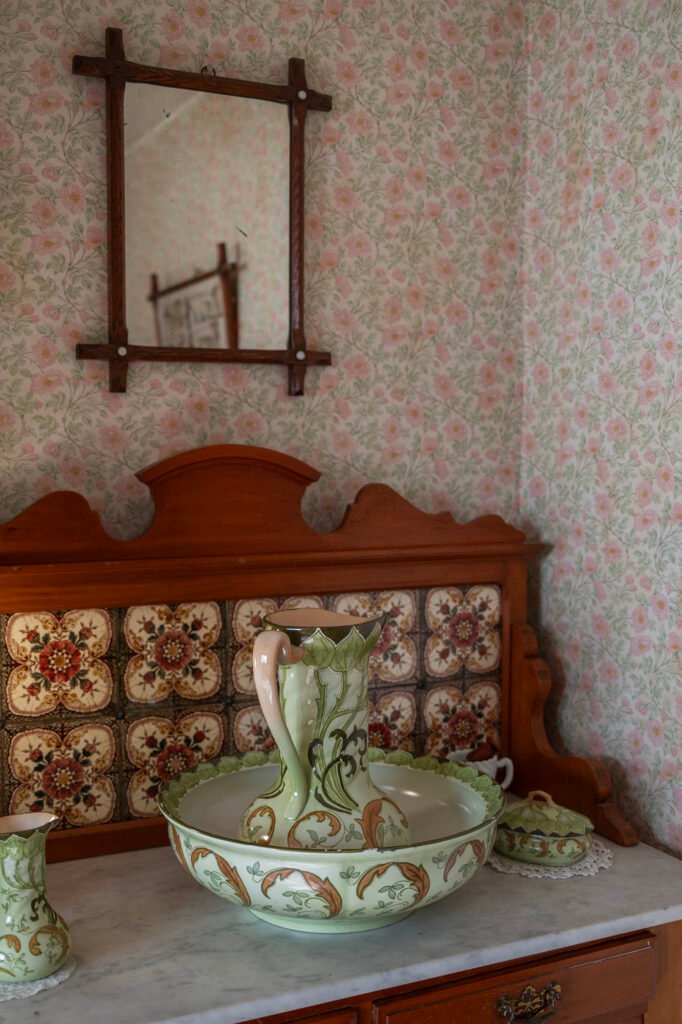
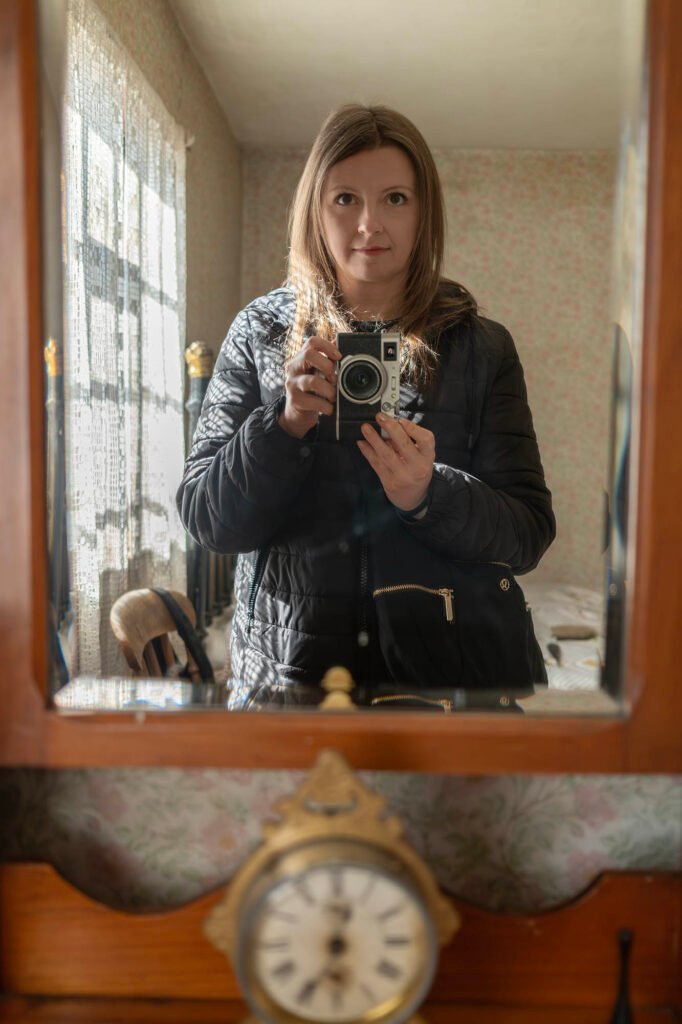
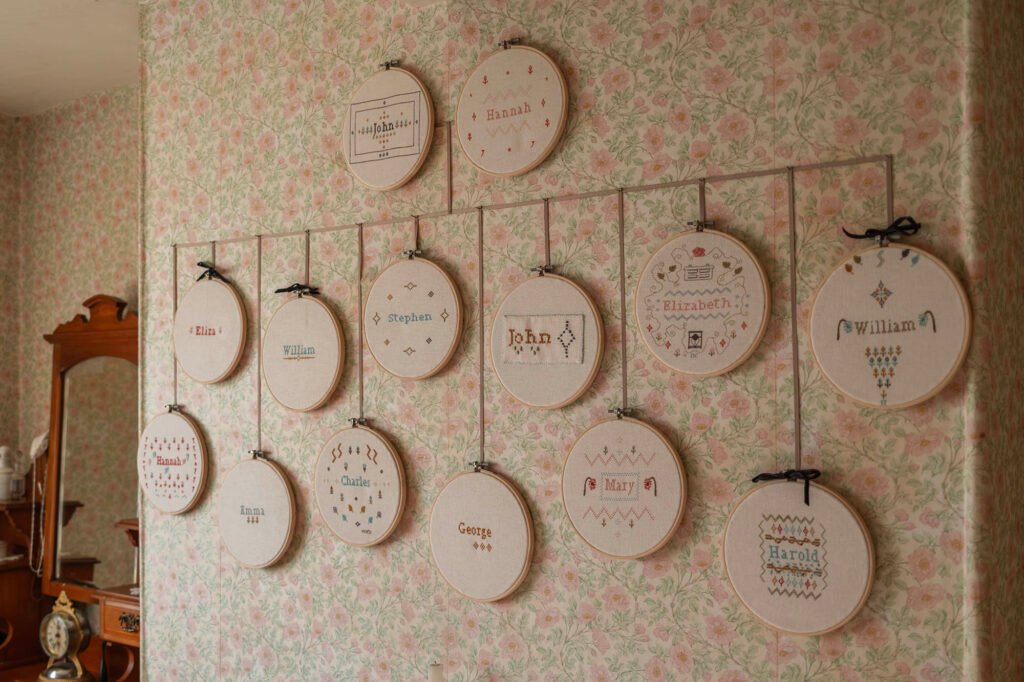
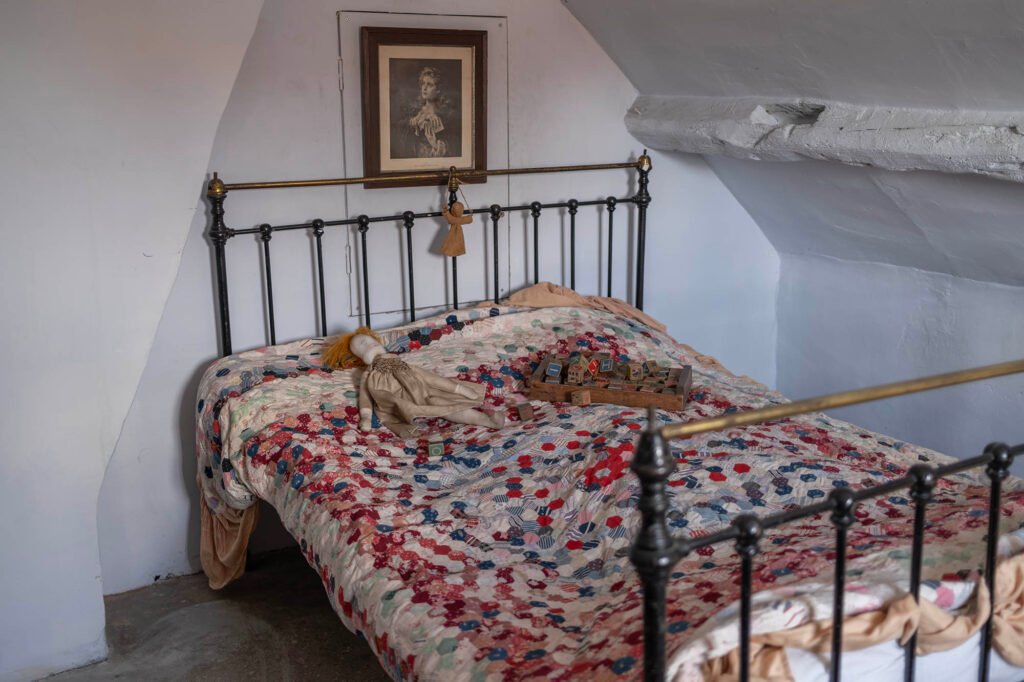
Three main buildings stand around a central courtyard – a building which consists of three 19th century cottages, one of which is laid out as a manager’s office, one of which is furnished as a worker’s cottage and one furnished as a manager’s cottage. The two cottages are laid out as they might have been and having them next to each other means that you can see the difference in living standards.
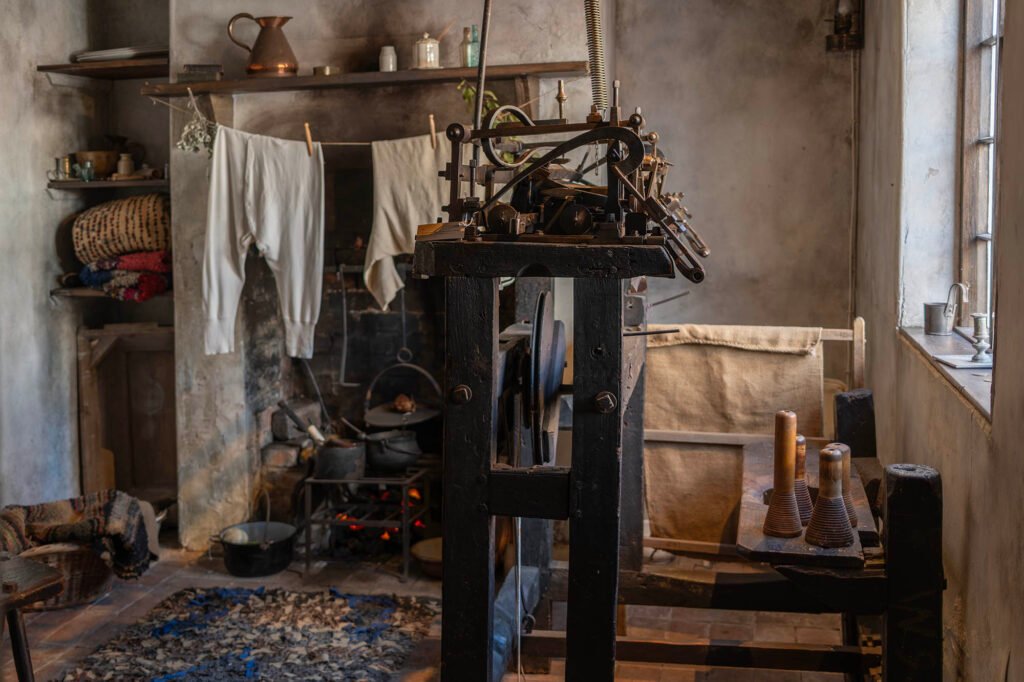
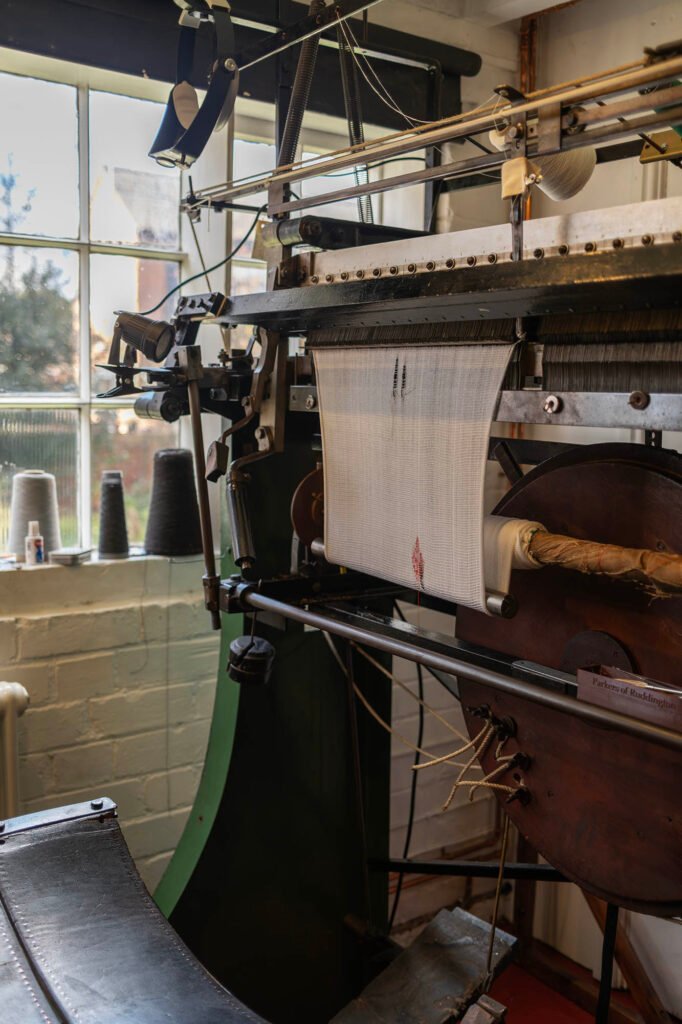
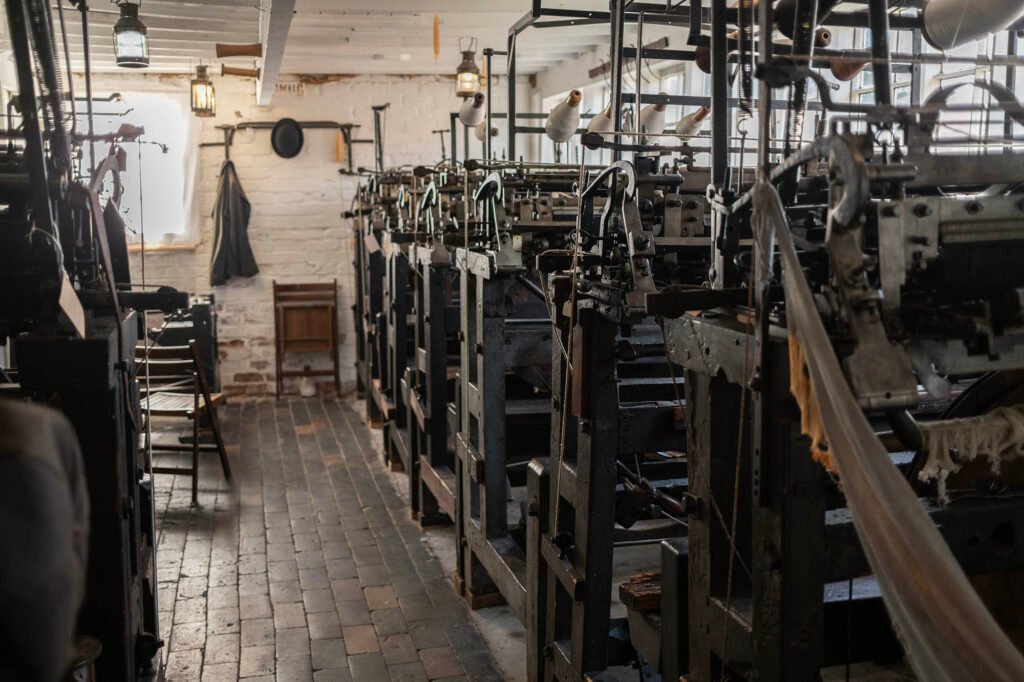
In the second building is a frameshop, housing examples of 18th, 19th and 20th century knitting frames on the ground and first floors. In this building one of the volunteers, Colin, talked us through how the machines worked to produced knitted fabric, who would have been involved in manning the machines and how they lived and worked. After a basic talk through the machines downstairs, he took us to the first floor where we got to sit at a machine and he played an audio track of what just four machines – a small number compared to those that would have been manned and worked – would have sounded like (spoiler alert, it would have been incredibly loud). He also showed us how the frames worked by knitting a row on one of the frames.
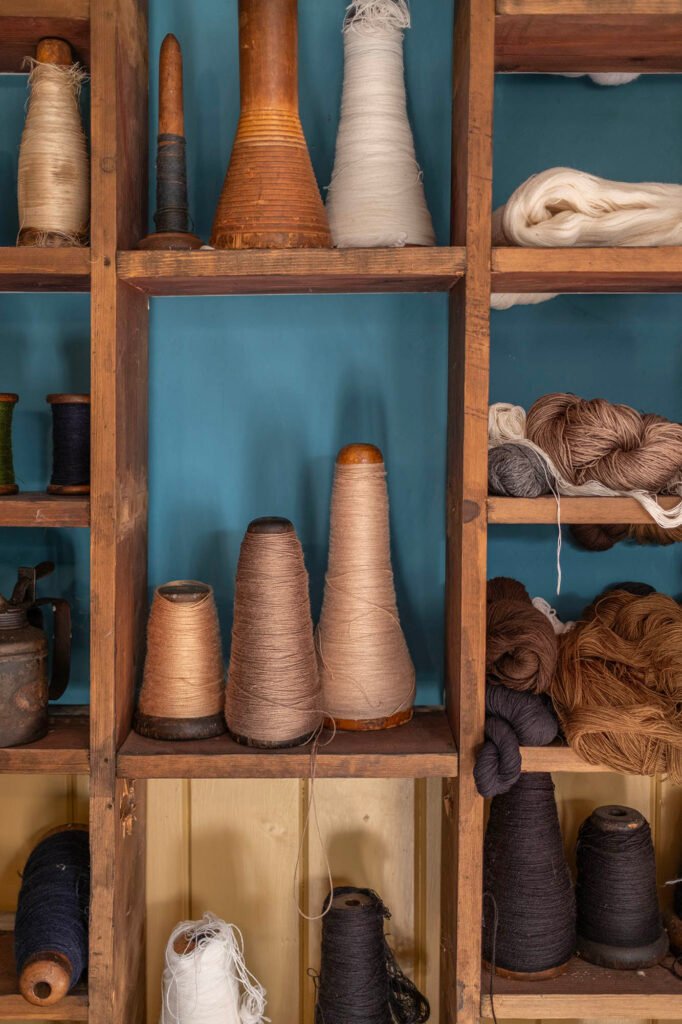
The third building houses a small museum on the ground floor where you can watch various videos about the history of framework knitting and see examples of stockings.
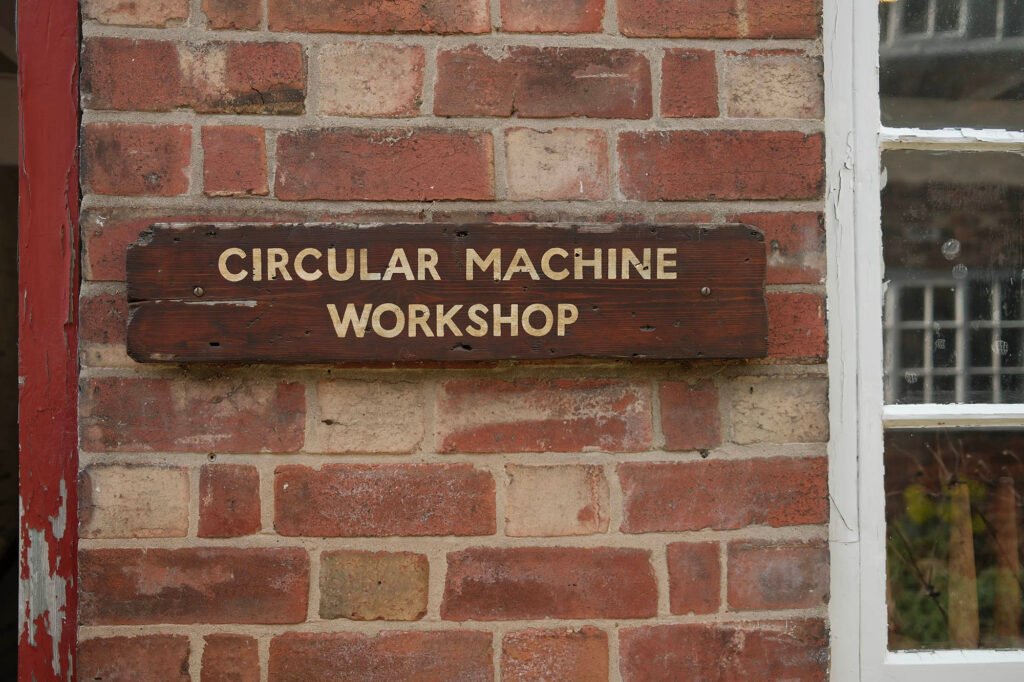
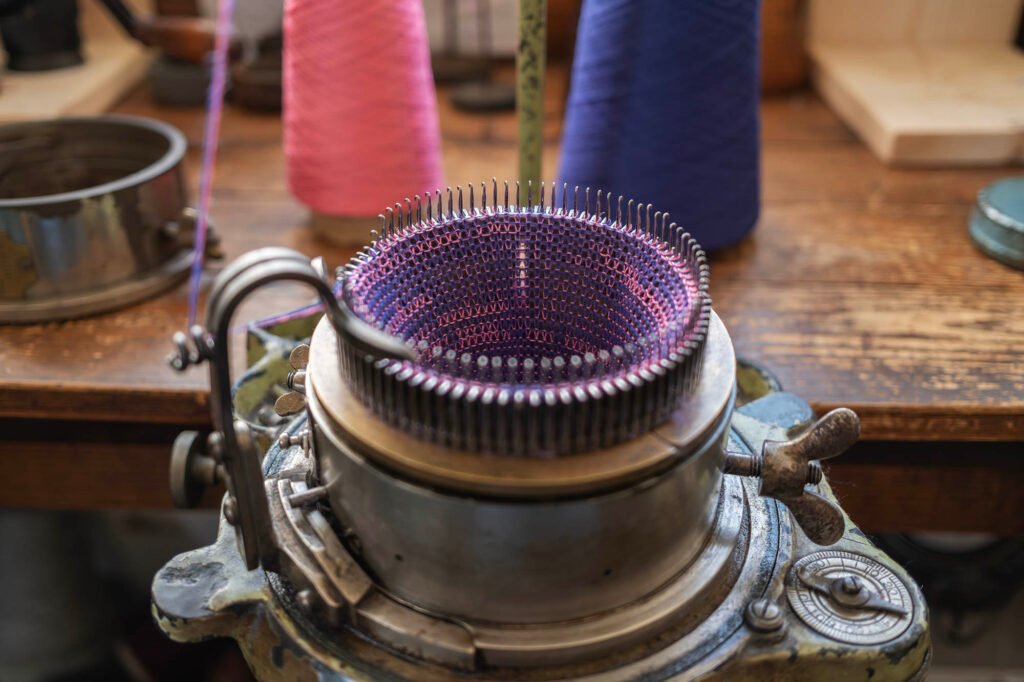
On the first floor are working examples of circular knitting machines, where another volunteer demonstrated how the circular machine worked to create tubes of fabric and how heels and ribbing are created. This is the most interactive past of the museum because it’s here where you can sit down at a machine and actually turn the handle yourself to watch the machine create rows of circular knitting. It’s very hypnotic and calming (and much quieter than the operation of the large frames).
We had a lovely time learning about the work that so many of our ancestors did. The Framework Knitters Museum is only small but it’s beautifully thought out, from the museum to the small gift shop and the cafe. As a bonus, the price of entry (£9 for adults) allows you to return over the next twelve months for free.
